
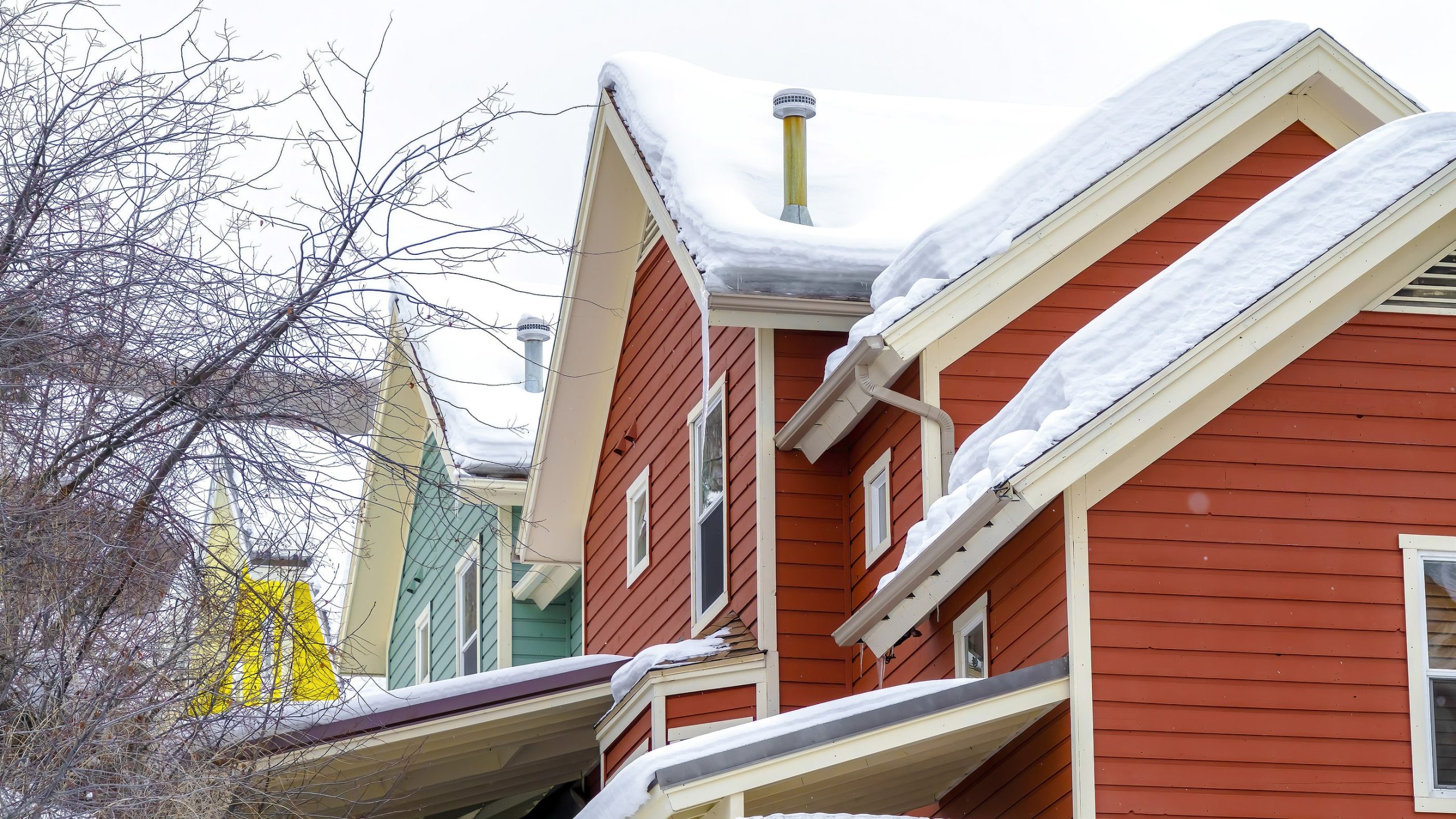
You notice icicles hanging from your gutters and think they look beautiful. Unfortunately, those frozen formations might signal a serious problem brewing on your roof. Ice dams form when your attic’s temperature control fails, allowing snow to melt and refreeze at your roof’s edges.
Learning the link between roof ventilation and ice dams reveals why proper airflow matters more than most Nebraska homeowners realize. Nelson Roofing has helped countless property owners in Lincoln and Omaha protect their homes from winter damage. This guide explores how ventilation issues create ice dams and what you can do to stop them.
Ready to protect your roof before winter hits? Call Nelson Roofing at (402) 464-2418 for a comprehensive ventilation assessment.
Why Your Attic Temperature Creates Ice Dam Problems

Your attic is a buffer zone between your living space and the outdoor cold. When warm air from your home rises and gets trapped in a poorly ventilated attic, it heats the roof deck from underneath. This warmth melts snow on your roof even when outdoor temperatures stay below freezing.
The connection between ventilation and ice dams becomes clear when you follow the water’s path. Melted snow runs down your roof until it reaches the cold eaves that hang beyond your home’s heated envelope. There, the water refreezes into solid ice.
Nebraska winters bring the perfect conditions for this cycle. Heavy snowfall followed by fluctuating temperatures makes the problem worse across Milford and the surrounding areas.
A Closer Look at How Poor Ventilation Causes Ice Dams
Heat escapes through your ceiling into the attic through gaps around light fixtures, plumbing vents, and other penetrations. With poor roof ventilation, ice dams are likely to form because the warm air has nowhere to go.
The melting process starts at the roof’s peak, where heat concentrates most. Water flows downward toward the eaves, which remain cold because they extend beyond the insulation of your home. Ice builds up at this temperature boundary, creating a dam that blocks proper drainage.
Once the dam forms, water pools behind it and searches for any opening. Shingles overlap in a way that sheds water flowing downward, but they cannot prevent water from backing up underneath them. The trapped moisture seeps through your roof deck, damages insulation, and stains ceilings.
Concerned about ice dam damage? Contact Nelson Roofing at (402) 464-2418 to schedule your attic inspection today.
The Science Behind Preventing Ice Dams With Ventilation
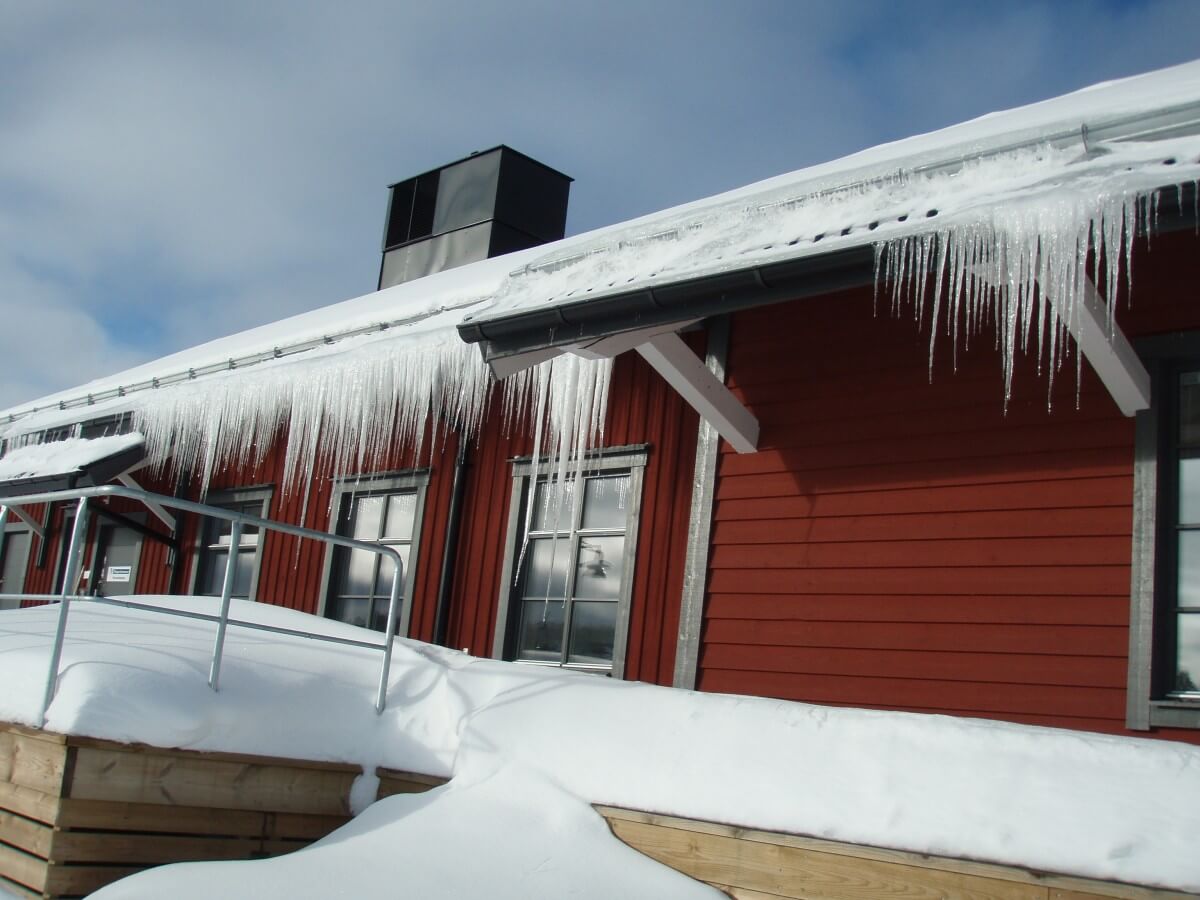
Ice dams and attic ventilation share an inverse relationship. Better ventilation means fewer ice dams because you eliminate the heat source that triggers the melting cycle.
Proper attic ventilation maintains a balanced system that continuously moves air through your attic. Cool outside air enters through soffit vents under the eaves. This fresh air travels upward through the attic space and exits through ridge vents or other exhaust points at your roof’s peak.
This constant airflow keeps your attic temperature close to the outdoor temperature. When your attic stays cold, your roof stays cold. Snow remains frozen across your entire roof surface instead of melting and refreezing at the edges.
Practical Solutions for Improving Your Roof’s Airflow
Take the following steps to strengthen your roof ventilation and minimize ice dams:
- Install ridge vents along your roof’s peak to maximize hot air exhaust
- Add soffit vents if your eaves lack adequate intake points
- Place baffles between rafters to maintain clear air channels above insulation
- Seal air leaks in your ceiling to stop warm air from entering the attic
- Install gable vents as supplemental exhaust points on complex roof designs
You’ll need enough insulation on your attic floor to prevent heat from escaping your living space. The recommended R-value for Nebraska homes ranges from R-49 to R-60, depending on your specific climate zone.
Regular Maintenance Keeps Your System Working
Preventing ice dams with ventilation requires ongoing attention year-round. Inspect your vents each fall before snow arrives. Remove any leaves, bird nests, or other obstructions that have accumulated during warmer months.
Monitor your attic during winter for condensation, frost buildup on rafters, or ice forming around vent openings. These signs reveal that roof ventilation prevents ice dams only when the system functions correctly.
Nelson Roofing Protects Lincoln and Omaha Homes From Winter Damage
Knowing how poor roof ventilation causes ice dams helps you take preventive action before problems escalate. At Nelson Roofing, we provide comprehensive roofing solutions that address both immediate repair and long-term performance needs.
Call Nelson Roofing at (402) 464-2418 to schedule your roof and attic ventilation assessment in Lincoln, Omaha, or Mildford, NE.