
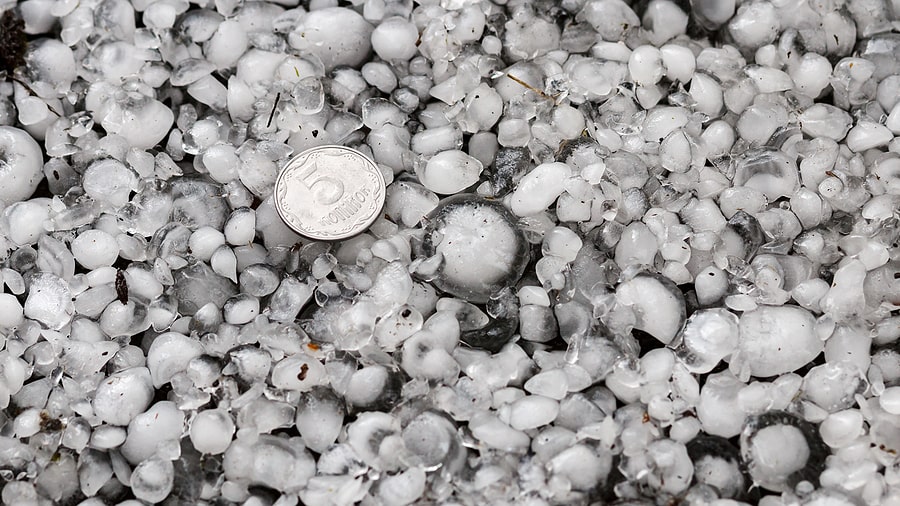
You hear the unmistakable sound of ice pelting your roof during a spring storm, and you wonder if your home just suffered significant damage. Nebraska experiences some of the nation’s most severe hailstorms, particularly during the spring and early summer when atmospheric conditions create the perfect environment for large hailstone formation.
Understanding hail damage in Nebraska helps you protect your investment and respond quickly when storms strike. In this guide, Nelson Roofing will explain how hail size affects your roof and what you need to know to keep your home protected.
Need a roof inspection after a recent storm? Call Nelson Roofing at (402) 464-2418 to schedule your free inspection in Lincoln, Omaha, or Milford, NE.
Understanding Hail Size Categories and Their Impact
Meteorologists measure hail in diameter, and even seemingly small stones can compromise your roof’s integrity. Hailstones measuring 3/4 of an inch can dislodge granules from asphalt shingles and damage window screens, gutters, and metal fascia. This size often goes unnoticed by homeowners, yet it begins the deterioration process.
Once hail reaches one inch in diameter, you start seeing bruising to the shingle underlayment and significant damage to siding and gutters. At 1.25 inches, hail can puncture softer roofing materials and create widespread damage across your property. Hailstones measuring 1.5 to 2 inches cause severe damage regardless of wind conditions, penetrating ridge caps and cracking plastic roof vents.
How Different Roofing Materials Respond to Hail

Asphalt shingles, the most common roofing material in Nebraska, exhibit distinct hail-damage patterns. You might notice granule loss, which exposes the asphalt coating underneath and accelerates aging. Cracks form from hard hail impacts or when high winds grip shingles, leaving bare spots that cannot protect your roof effectively.
Metal roofing panels perform better against hail damage in Nebraska, but still show damage at certain thresholds. Hail around 1.75 to 2 inches typically dents standard metal roofs, though impact-resistant metal roofing with Class 4 ratings can withstand larger stones. Composite and tile roofs face their own challenges, with clay and concrete tiles cracking or shattering when struck by large stones.
Visible vs. Hidden Damage After Nebraska Storms
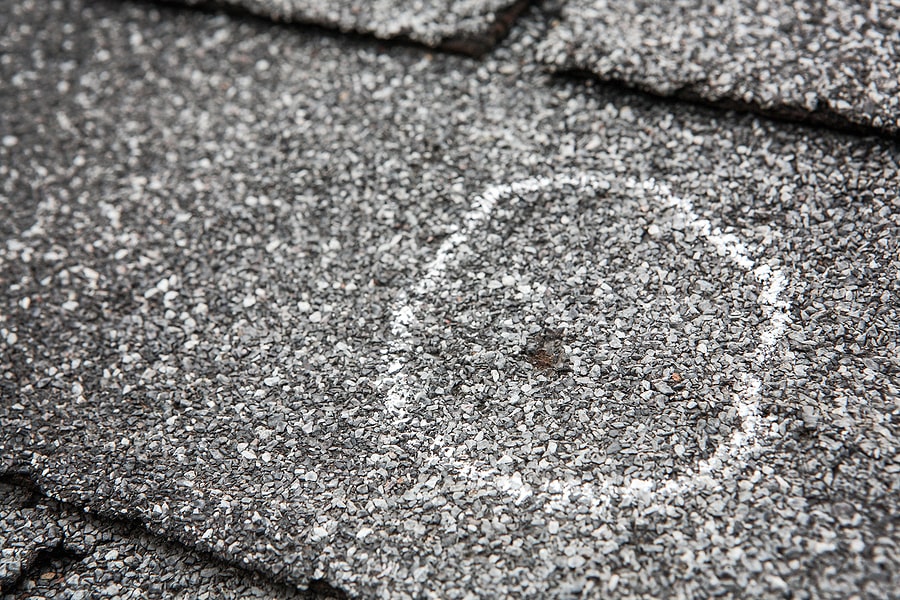
Some hail damage, such as broken windows, dented gutters, or cracked tiles, is obvious. You can spot these signs by checking your downspouts for dents, examining your garage door for strikes, and looking for holes in window screens.
Hidden damage requires trained eyes for proper identification, though. Minor fractures in the fiberglass mat of asphalt shingles may not cause immediate leaks but can compromise the system’s long-term protection.
Granule loss accelerates UV damage even when you cannot see noticeable dents from ground level. Weakened seal strips create vulnerability for future wind events without creating visible surface damage.
Contact Nelson Roofing for a thorough inspection to identify hidden hail damage in Nebraska before it becomes costly repairs.
When To Schedule a Professional Inspection

You should contact a roofing contractor immediately after any storm producing hail one inch or larger. Even if you don’t see damage, preventing hail damage to roofs starts with early detection and a proper assessment. Professional inspectors know where to look for subtle signs that homeowners miss.
Schedule an inspection within days of a hailstorm rather than waiting weeks or months. Many insurance companies require you to file claims within one year of damage, but earlier documentation strengthens your case. Look for roofing contractors with specific insurance experience who understand how adjusters evaluate roof damage caused by hail.
How Insurance Companies Evaluate Hail Damage
Insurance adjusters assess hail damage based on size, density, and impact patterns across your roof. They look for consistent damage indicating a single weather event rather than gradual wear. Adjusters examine not only the shingles but also the roof vents, flashing, and other metal components to corroborate evidence.
Your policy type determines your coverage levels. Replacement Cost Value (RCV) policies provide funds to replace your damaged roof with new materials, while Actual Cash Value (ACV) policies only pay for your roof’s depreciated value. Nebraska hail damage awareness includes understanding the right policy to have in place in advance to protect your investment.
Nelson Roofing Protects Your Lincoln, Omaha, or Milford Home
Understanding how hail size and roof damage connect helps you respond appropriately after Nebraska storms and protect your home’s value. Nelson Roofing provides comprehensive roof inspections, works directly with insurance adjusters, and delivers quality repairs that restore your roof’s integrity. Our team brings years of experience handling hail damage in Nebraska.
For your expert roof inspection and repair after hailstorm damage in Lincoln, Omaha, or Milford, NE, call Nelson Roofing at (402) 464-2418.