
Customers call us every spring worried that their roof is growing mold or that the shingles are giving up. Almost always, those dark vertical streaks running down the north-facing slope are something simpler: algae. Specifically a blue-green algae called Gloeocapsa magma that feeds on the limestone filler in asphalt shingles. Short-term it’s mostly cosmetic. Long-term it’ll knock years off the roof and tank curb appeal. The cleaning is straightforward but the method matters a lot, and one common DIY approach (pressure washing) will actually destroy the shingles permanently.
Not sure if your roof needs cleaning, repair, or replacement? Call us at (402) 464-2418 or book a free inspection online. We’ll take a look and tell you straight whether soft-washing solves it or whether the underlying shingles are too far gone. 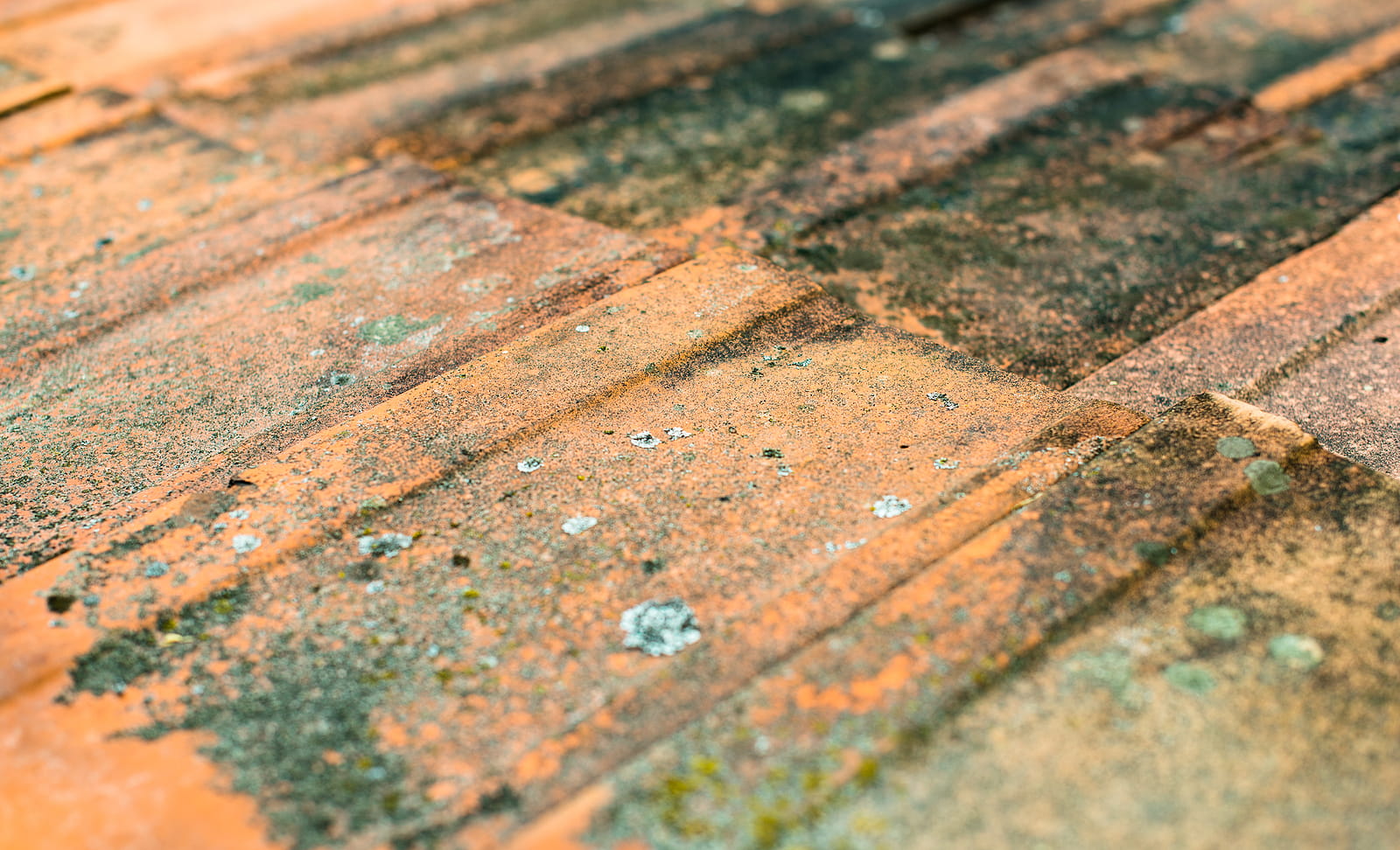
What’s Actually Growing on Your Shingles
Gloeocapsa magma is a cyanobacterium that travels through the air on spores. When the spores land on an asphalt shingle, they latch onto the limestone filler and start feeding. The dark pigment that creates the visible streaks is the algae protecting itself from UV light. Streaks form first on the north side of the roof and in shaded areas because those slopes stay damp longer after rain. Damp equals algae heaven. Mature trees that shade the roof accelerate the colonization significantly.
Eastern Nebraska’s humid summers, summer rain patterns, and the tree canopy in older Omaha and Lincoln neighborhoods (Country Club, Dundee, Eastridge, Near South) make the region a near-ideal habitat. 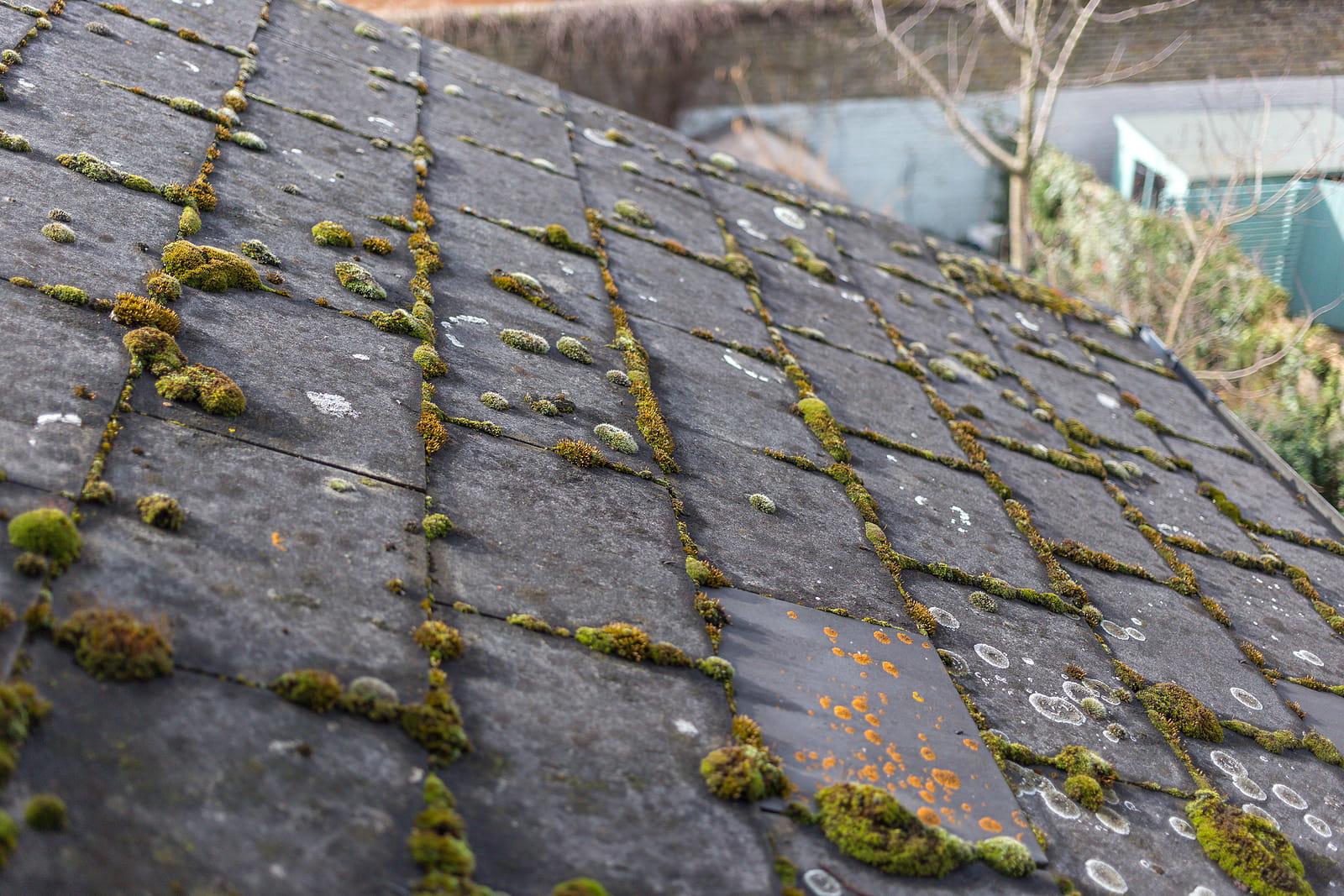
Is It Hurting the Roof or Just Ugly?
Short term (first few years of streaking), mostly cosmetic. Long term, the damage is real:
- Shingle lifespan. Heavy long-standing algae shaves 3 to 5 years off the useful life of an asphalt roof.
- Granule loss. Algae spreads, granule retention drops, the asphalt mat below gets exposed to UV.
- Moisture retention. The biological layer holds water against the shingle, which extends ice dam stress in winter.
- Resale value. Real estate agents in Omaha and Lincoln tell us heavily streaked roofs are a real negotiating point in buyer concessions. It visibly ages the home.
A year of light streaking won’t break anything. A decade of heavy streaking will absolutely shorten the roof’s useful life on any asphalt shingle roof in Omaha.
How to Clean It (And What NOT to Do)
Three legitimate ways to handle roof algae: Professional soft wash (what we recommend). Low-pressure sprayers with a sodium hypochlorite solution kill the algae down to the spore level and rinse it off. Granules stay intact. Cost in the Omaha and Lincoln area: $500 to $1,200 for a typical home.
DIY soft wash (works if you’re careful). Equal parts household bleach and water in a garden pump sprayer. Apply, let dwell 15 to 20 minutes, rinse gently with a garden hose. Don’t walk on a wet roof, it’s slippery as glass after bleach-and-water hits it. Work from a ladder where possible, and protect landscaping below from the runoff.
Replacement with algae-resistant shingles. If your roof is already near end of life, skip the cleaning and replace with AR shingles. They contain copper granules that prevent algae growth for 10+ years. If the surface is sound but you want to extend life and reset color, roof rejuvenation can buy 5 to 10 more years on a roof that doesn’t yet need replacement. Now the DON’T list: DO NOT power wash. Most common Nebraska DIY mistake we see. A pressure washer will remove the streaks. It will also blast the granules off, void most manufacturer warranties, and dramatically shorten roof life. The Asphalt Roofing Manufacturers Association explicitly warns against high-pressure washing of asphalt shingles. We’ve replaced a lot of roofs that someone power-washed and accelerated by 10 years.
DO NOT mix bleach with ammonia. Produces toxic chloramine gas. Bleach OR ammonia, never both.
DO NOT walk on a wet, freshly-cleaned roof. Falls are the leading cause of DIY roof injuries. 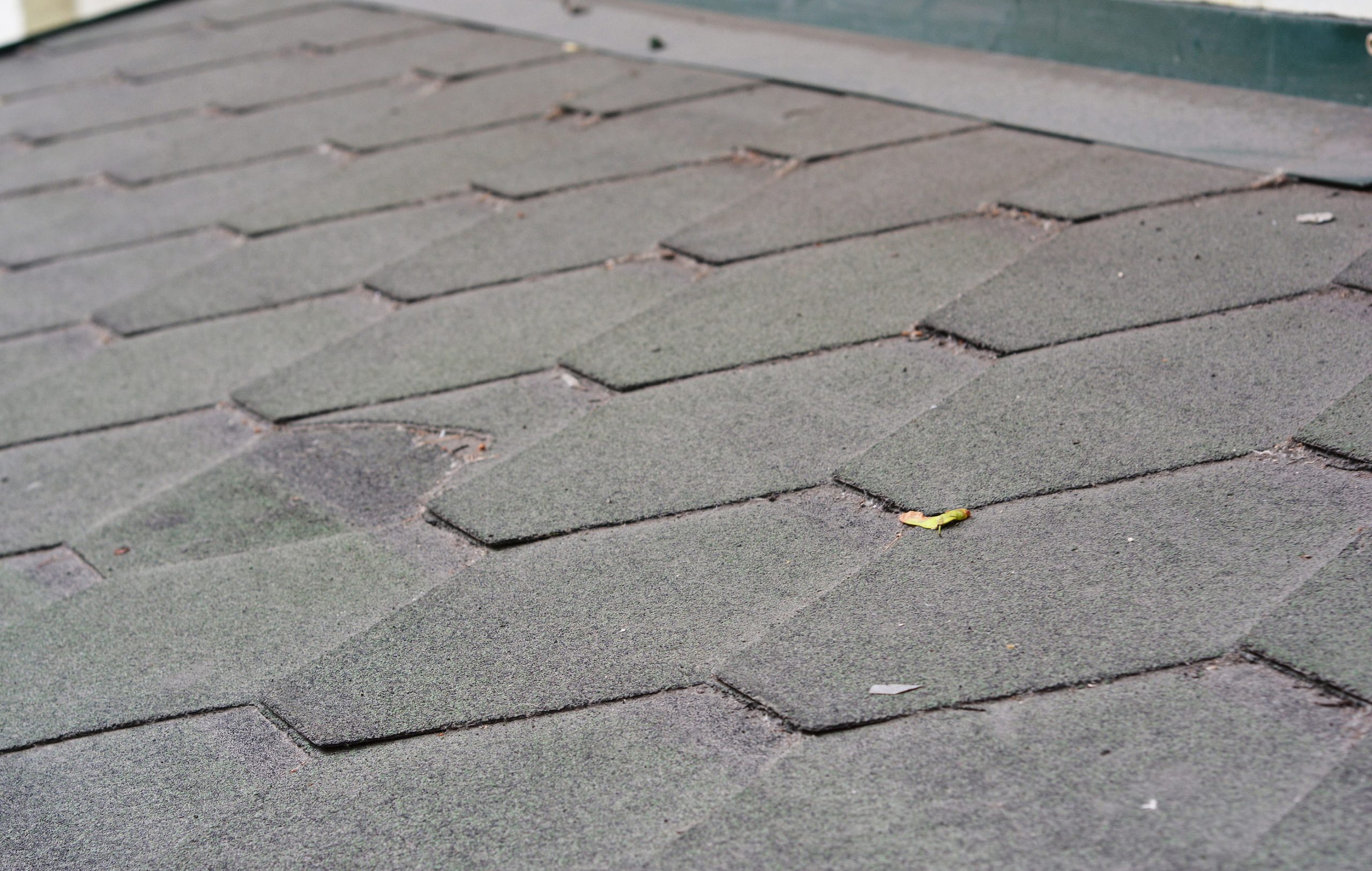
How to Stop It From Coming Back
Copper or zinc strips along the ridge. Thin metal strips at the roof peak. Rain washes trace amounts of metal down the roof and inhibits algae growth. $100 to $300 in materials, lasts 15 to 20 years.
Trim overhanging tree branches. More sunlight on the roof, less debris accumulation in valleys.
Clean gutters regularly. Clogged gutters create damp zones where algae thrives at the eaves.
Fix attic ventilation if it’s part of the problem. Streaking on every slope (not just north) often means moisture is being pushed through the shingles from below. Warning signs of poor attic ventilation in Nebraska homes walks through what to look for.
AR shingles on the next reroof. GAF, CertainTeed, and Owens Corning all offer algae-resistant lines. Typically 5 to 10% more than standard architectural shingles with a 10-year algae warranty on top of the shingle warranty.
When the Algae Is a Symptom of a Bigger Problem
Sometimes the streaks aren’t just cosmetic. They’re a sign something else is going on:
- Heavy streaking on a 15+ year old roof usually means the shingles are losing granule retention and approaching end of life. Cleaning helps cosmetically but won’t extend functional lifespan much.
- Streaking on every slope (not just north-facing) often points to attic ventilation issues. Trapped moisture keeps the shingle backside damp.
- Streaking with curling, cupping, or visible granule loss means the roof needs evaluation, not just cleaning. Here’s what a real Omaha roof inspection actually covers.
Quick Answers
Is it mold or algae? Algae. Roof mold exists but is rare and looks fuzzy rather than streaked. The vertical streaks running down shingles are Gloeocapsa magma.
Does insurance cover the cleaning? No. Algae is a maintenance item, not a covered event.
How often does it come back? 3 to 7 years after a professional cleaning, 1 to 4 years after DIY. Copper/zinc strips extend the gap significantly.
Does it affect home value? Yes. Omaha and Lincoln agents consistently flag heavily streaked roofs in buyer negotiations.
Why Nebraska Homeowners Trust Nelson Roofing
Nelson Roofing is locally owned. We’ve been inspecting, cleaning, and replacing Omaha and Lincoln roofs for years. GAF and Owens Corning certified, A+ rated with the BBB, fully licensed and insured. Every inspection includes photos and a written assessment, and we don’t sell cleaning if the roof’s actually fine.
Book a Free Inspection
If you’re not sure whether your Nebraska roof needs cleaning, repair, or replacement, the first step is a free inspection. We evaluate the algae growth, shingle condition, ventilation, and underlying structure, then give you a straight assessment.
Two easy ways to get started:
We serve Omaha, Lincoln, Bellevue, Papillion, La Vista, and the surrounding Nebraska metro.